Real-Time Energy Monitoring for Commercial Buildings in Australia and Oceania
Continuous energy monitoring gives building operators transparency over how much energy each asset consumes and produces, in real time rather than after the monthly bill. This page explains how Stromfee's monitoring approach for Australia and Oceania — granular metering, grid and drive analysis, and live analytics — applies to commercial buildings, and how it connects to the wider service pillars of peak-load management, monitoring and control, and billing control.
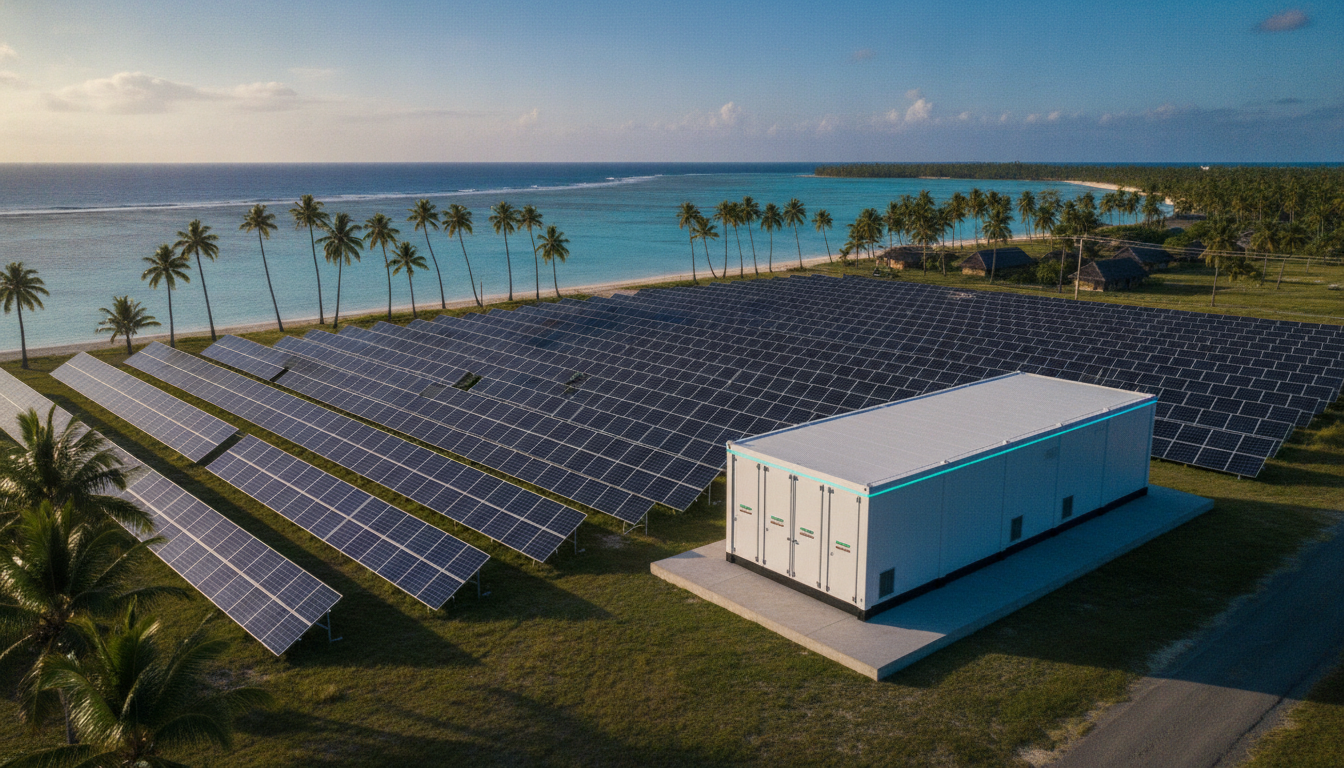
What real-time energy monitoring means for a commercial building
Real-time monitoring means every relevant generation and consumption point in the building is metered granularly and read live, rather than being estimated from a single utility meter. Applied to a commercial building, the Stromfee-Tagebuch approach exposes where energy actually flows — down to individual assets — so operators can see consumption and production as it happens.
This transparency is the basis for the rest of the work: it helps detect anomalies, and it supports cost reduction by exposing inefficient devices and processes. Without live, per-asset data, inefficient equipment simply blends into the aggregate load and stays invisible until the reconciliation at the end of a billing period.
The monitoring pillars behind the platform
Stromfee organises its offer around a set of service pillars: energy monitoring (Energiemonitoring), grid and drive analysis (Netz- & Antriebsanalyse), monitoring and control (Überwachung & Steuerung), peak-load management (Lastspitzenmanagement), billing control (Abrechnungskontrolle), and funding options (Fördermöglichkeiten). Real-time monitoring is the data layer that feeds all of them.
Grid and drive analysis looks at power quality and the behaviour of motor-driven loads; peak-load management addresses the demand peaks that drive network charges; and billing control uses the measured data to check invoices against what was actually consumed. These pillars share the same underlying granular metering rather than each requiring a separate measurement stack.
HVAC and heat pumps as monitored loads
Heating, ventilation and air-conditioning are typically among the largest and most variable electrical loads in a commercial building, which makes them a primary target for monitoring. Stromfee's Australia and Oceania material specifically covers heat pump and HVAC energy monitoring, treating these systems as loads to be metered, analysed and understood rather than left as a fixed background draw.
Monitoring heat pumps and HVAC continuously lets operators relate their electricity use to actual heating and cooling demand, spot drift or faults in operation, and tie their consumption into peak-load and billing analysis alongside the rest of the building.
Cogeneration and on-site generation
Where a building or site runs on-site generation such as a cogeneration (combined heat and power) plant, monitoring extends beyond consumption to the health and availability of the generating asset. Stromfee's Oceania material addresses cogeneration plant maintenance and uptime monitoring, treating the plant as both a producer to be metered and equipment whose uptime needs to be tracked.
Because monitoring covers every generation and consumption point, on-site generation appears in the same live picture as the loads it serves. That lets operators see production and consumption together and detect anomalies on the generation side before they turn into unplanned downtime.
Island grids and self-contained networks in Oceania
Much of Oceania is served by island network operators running largely self-contained grids, where every generation and consumption point matters because there is limited or no interconnection to lean on. For these operators, continuous monitoring gives transparency over consumption and production, helps detect anomalies, and supports cost reduction by exposing inefficient devices and processes.
The same granular metering, grid analysis and real-time analytics that serve a single commercial building scale up to island network operation. A commercial building sitting on such a grid benefits twice: its own efficiency improves, and its load profile becomes visible to the operator managing a constrained system.
Staying oriented to the regional energy market
Monitoring a building does not happen in isolation from the market around it. Stromfee's Oceania news service aggregates live headlines on global and Indian-Ocean power markets, the grid, storage and solar, pulled directly from the public RSS feeds of reputable English-language energy publishers and merged by date — showing only what the sources publish, nothing generated.
For a facilities or energy manager, that regional context sits alongside the building's own live data: what the platform measures on site, and what is happening across storage, solar and the grid in the wider Australia and Oceania region.
FAQ
What is the difference between an energy audit and real-time monitoring?
An audit is a point-in-time assessment, while monitoring is continuous. Real-time monitoring understands and optimises energy consumption on an ongoing basis, so inefficiencies show up as they occur rather than only being found during an occasional audit.
Which building systems are worth monitoring first?
Large, variable loads give the most insight for the effort. Heat pumps and HVAC are explicitly covered because they are typically major consumers, and any on-site generation such as a cogeneration plant should be monitored for both output and uptime.
How does monitoring reduce cost rather than just report data?
It supports cost reduction by exposing inefficient devices and processes that are invisible in a single aggregate meter, and it feeds the peak-load management and billing-control pillars, where measured data is used to manage demand peaks and check invoices against actual consumption.
Does the approach also work for island grids in Oceania?
Yes. Island network operators run largely self-contained grids where every generation and consumption point matters, and the same granular metering, grid analysis and real-time analytics apply from a single commercial building up to island network operation.