How Stromfee Brings AI into a Swimming Pool — A Step-by-Step Path for Pools and Resorts in Oceania
Explainer · AI in a swimming pool
Stromfee is the intelligence layer built for the Pacific, where solar floods the grid at noon and vanishes by evening, pushing prices from negative to triple-digit within hours. This page describes, in plain terms, the sequence Stromfee follows to bring AI into a swimming pool or resort wellness area — starting with measurement, not assumptions. It is a general description of method, not legal advice.
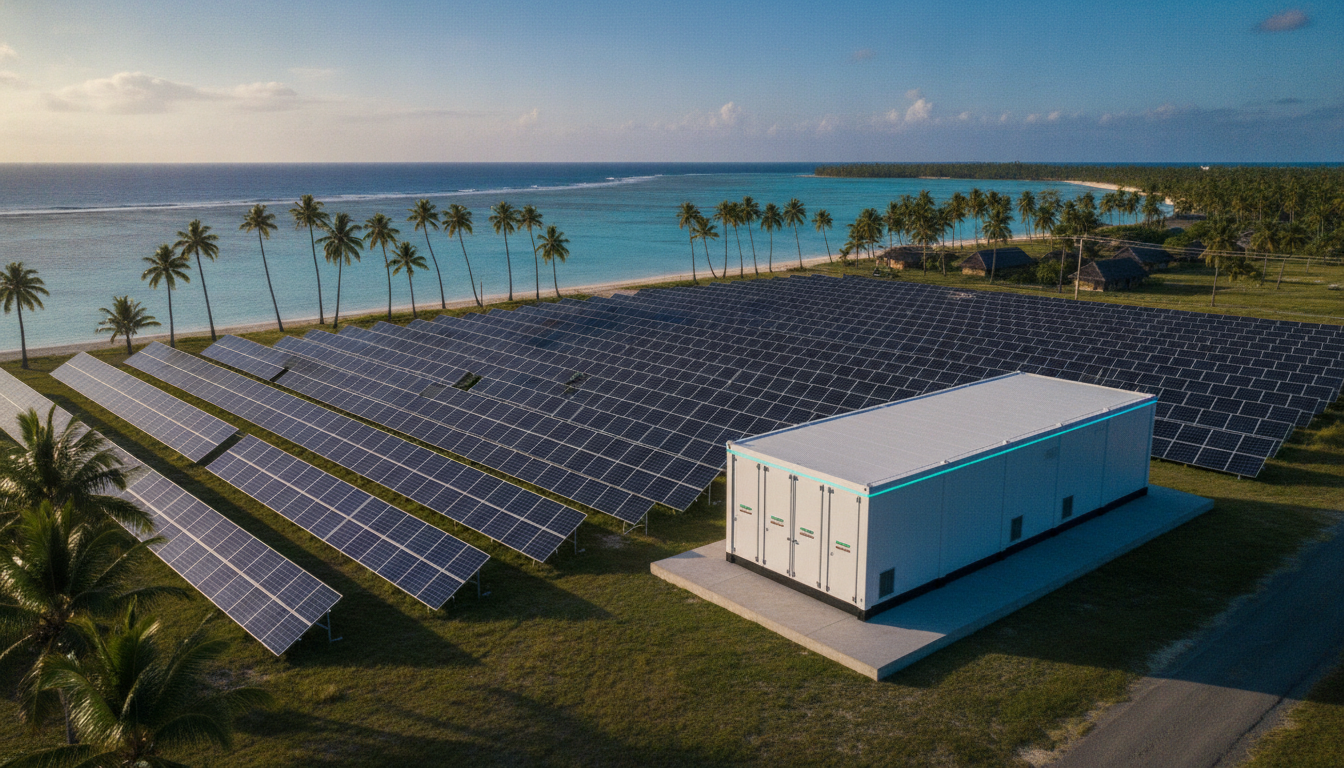
Why pools and resorts in Oceania are a special case
A pool is a continuous energy consumer: pumps circulate water around the clock, heating holds a target temperature, and a whirlpool can sit at 40°C 24/7 with jets running even when no one is in it. In a grid where daytime solar can turn prices negative and evening prices spike, when energy is used matters as much as how much is used.
Stromfee approaches this as an intelligence layer over the energy data a site already produces. Its forecasting, dispatch and battery optimisation were proven on a German fleet and are now applied to the Pacific and the Indian Ocean, where the same solar-driven price swings occur.
Step 1–2: Request and first measurement
The path begins with a request and then measurement — Stromfee reads the site before proposing anything. The relevant loads in a pool split into three areas: circulation pumps, heating, and water treatment (filtration, UV disinfection and chemical dosing), where water treatment alone can account for roughly 10% of energy use.
AI integration is designed to work with the energy data a site already uses and to process it in real time, so the first step is establishing what the pool actually draws and when, rather than relying on nameplate ratings or estimates.
Step 3–4: Plausibility check and mobile measurement
Measured data is then plausibility-checked. This is where typical problems surface: backwashing on a fixed 24-hour timer regardless of filter pressure, chlorine dosed at a fixed rate instead of to demand, and UV lamps running at full power even when the pool is empty.
Where the fixed metering is not enough, mobile measurement is added on site to confirm consumption patterns on individual loads — for example, whether jets and heating on a whirlpool run continuously versus only during use. The aim is a verified picture before any control logic is changed.
Step 5–6: Digitalisation, photos and RAG
The site is then digitalised: equipment and readings are documented, including photos, so the pool's plant becomes a structured, queryable record rather than tacit knowledge held by staff. This record feeds a retrieval-augmented (RAG) knowledge base that ties the site's measured reality to Stromfee's optimisation logic.
On that basis Stromfee can define concrete actions: variable-frequency (VFD) pump control that follows bather patterns, heat-pump heating scheduled into low-price windows, presence sensors that activate jets, steam and lighting only when the wellness area is in use, and pressure- and ORP-based control so backwashing and chlorine dosing happen on demand rather than on a timer.
Step 7: Local operation
The final step is running the intelligence locally, close to the plant it controls, so the pool keeps operating on its own measured data and defined rules. The published example for a whirlpool describes the same comfort held at a lower daily cost through VFD pumps, an automatic cover and presence sensors.
Stromfee states illustrative savings per measure — for instance around 55% less pump power from VFD control, around 60% lower heating cost from weather- and occupancy-driven heat-pump scheduling, and around 45% lower attraction cost from presence control. These are Stromfee's published per-measure figures for pool and spa optimisation, not guaranteed results for a specific site.
FAQ
Does Stromfee change the pool before measuring it?
No. The path starts with a request and measurement, followed by a plausibility check and, where needed, mobile measurement on individual loads. Control logic is defined only after the site's real consumption is established.
What does the AI actually control in a pool?
The main levers are circulation pumps (VFD control tied to bather patterns), heating (heat-pump scheduling into low-price windows), the wellness area (presence-based jets, steam and lighting), and water treatment (pressure-based backwashing and ORP-based chlorine dosing).
Why is this relevant specifically in Oceania?
In Pacific grids, solar can drive prices negative at midday and to triple digits by evening within hours. Shifting flexible pool loads — especially heating — into low-price windows is where Stromfee's forecasting and dispatch add value.
What is the RAG step for?
After the plant is digitalised, including photos, the documented equipment and readings feed a retrieval-augmented knowledge base. This links the site's measured reality to Stromfee's optimisation logic so recommendations and control are grounded in the specific pool rather than generic assumptions.