Photovoltaic curtailment and compensation in Australia and Oceania
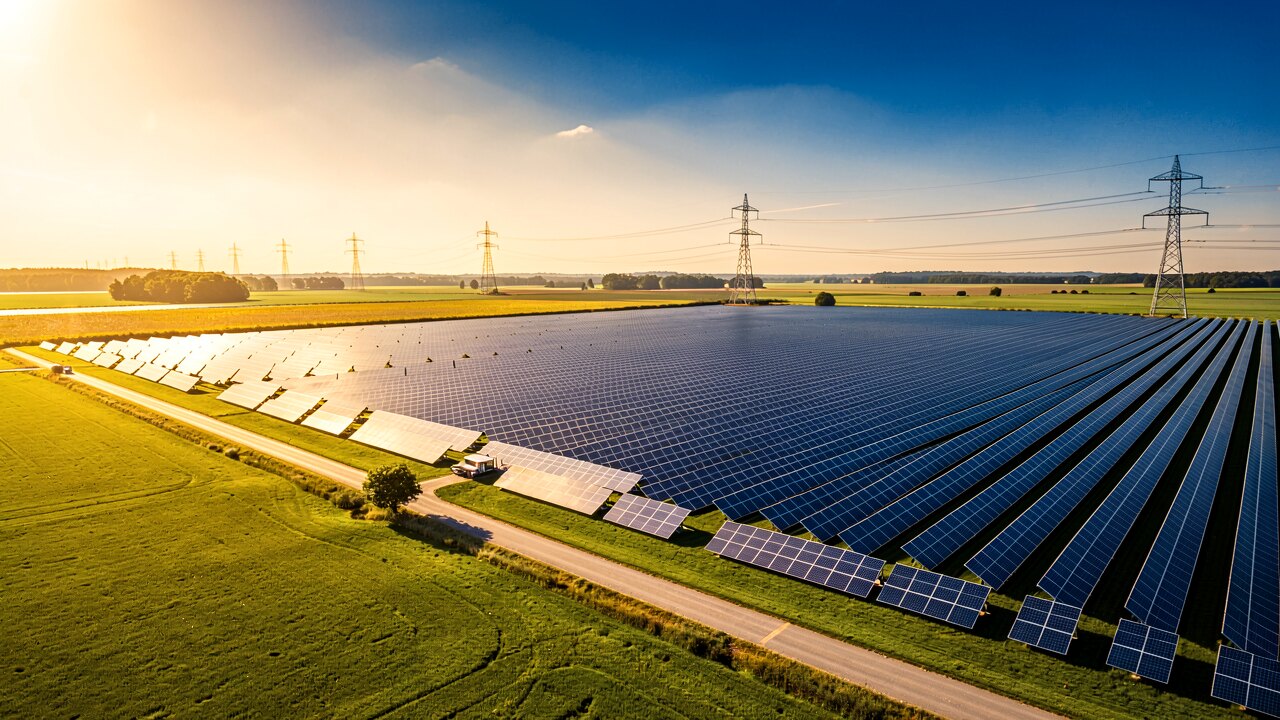
In Australia, solar can be curtailed two ways: rooftop systems throttled by network backstop mechanisms, and large-scale plants constrained by AEMO in the National Electricity Market (NEM). In most cases there is no direct compensation — curtailment is a condition of connection or a market outcome, not a paid event.
For home and small-business PV, remote curtailment or export limiting is written into your connection agreement, so there is generally no payment when your system is throttled or briefly disconnected. You keep self-consumption behind the meter; you only lose the feed-in tariff on the energy you could not export. Because feed-in rates across most states are now low (often only a few cents per kWh), the direct dollar loss is typically small compared with the value of self-consuming that energy or storing it.
Utility-scale solar and wind are 'semi-scheduled' generators that follow AEMO dispatch. Network and security curtailment (thermal limits, system strength, minimum system load) is enforced through dispatch constraints and is generally not compensated — the plant simply cannot dispatch. 'Economic' curtailment happens when operators pull back voluntarily because spot prices go negative around midday; that is a market decision, not a paid instruction. Revenue is also quietly eroded by Marginal Loss Factors (MLFs), which discount output far from load centres.
South Australia's 'Smarter Homes' rules (from September 2020) require new rooftop PV to be remotely curtailable so the network operator can manage record-low minimum demand. Western Australia's 'Emergency Solar Management' (from February 2022) applies the same principle to new and upgraded systems on the SWIS. These interventions are rare, safety-net events used to keep the grid stable during solar-heavy, low-demand periods — not routine, and not compensated.
Most distributors cap export with a static limit (commonly 5 kW per phase, sometimes zero-export in constrained areas), which curtails your surplus whenever it exceeds the cap. The newer approach — 'flexible exports' or dynamic operating envelopes, being rolled out by networks such as SA Power Networks and trialled in other states — lets you export more when the local grid has capacity and less when it is stressed. Choosing a flexible-export connection often unlocks materially higher export than a fixed 1.5–5 kW cap.
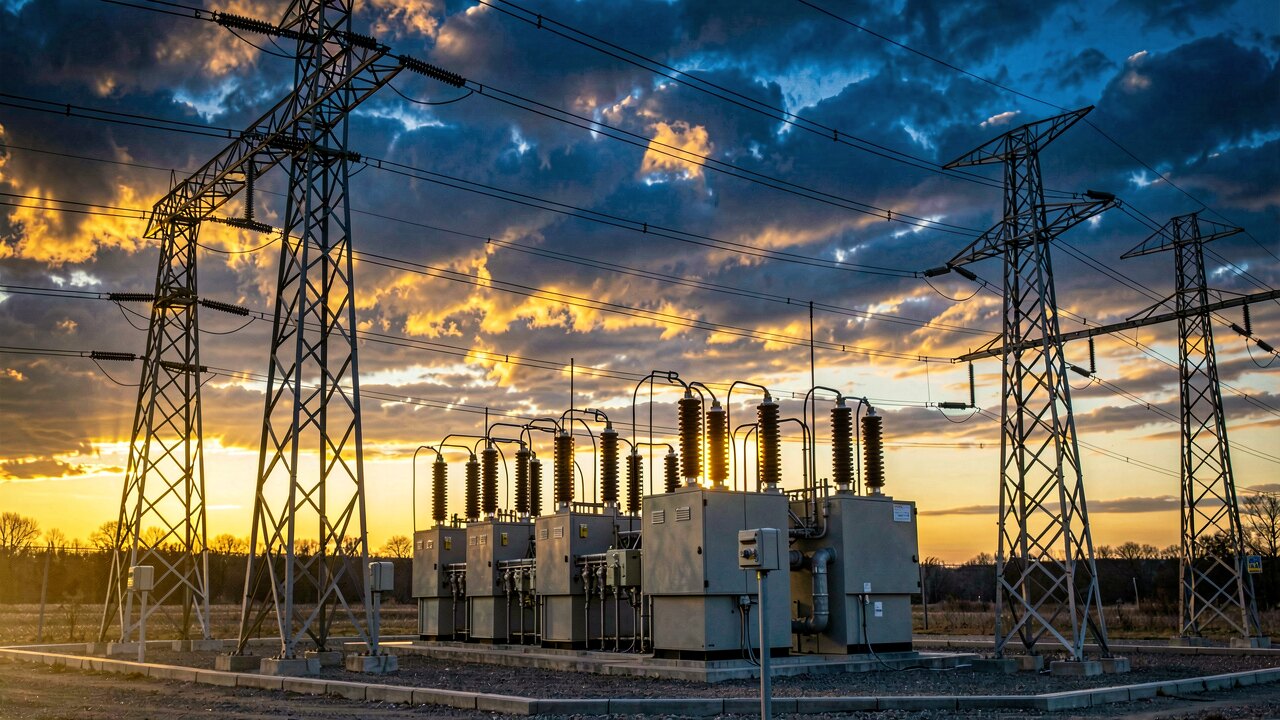
With very high rooftop penetration, South Australia and other regions regularly hit record-low operational demand at midday, pushing NEM spot prices below zero. When prices are negative, exporting can actually cost you, so curtailment (or storage) protects value rather than destroying it. Expect these low-price, high-curtailment windows to widen as more solar connects, which is exactly why flexibility is now central to any new PV business case.
To limit curtailment losses: add a battery to soak up the cheap or negative midday surplus and discharge into the evening peak; opt for a flexible-export connection where offered; and size systems around self-consumption plus storage rather than maximum export. Across the wider region, New Zealand's hydro-dominated market sees far less solar curtailment today, while many Pacific island grids use inverter controls and storage to manage high solar shares on small, isolated networks — the same battery-and-flexibility logic applies at smaller scale.
 Charge Director
 Automixer
 BESS Engineer
 PV Watcher