How to Build Cyclone-Resilient Solar and Storage in Australia and Oceania
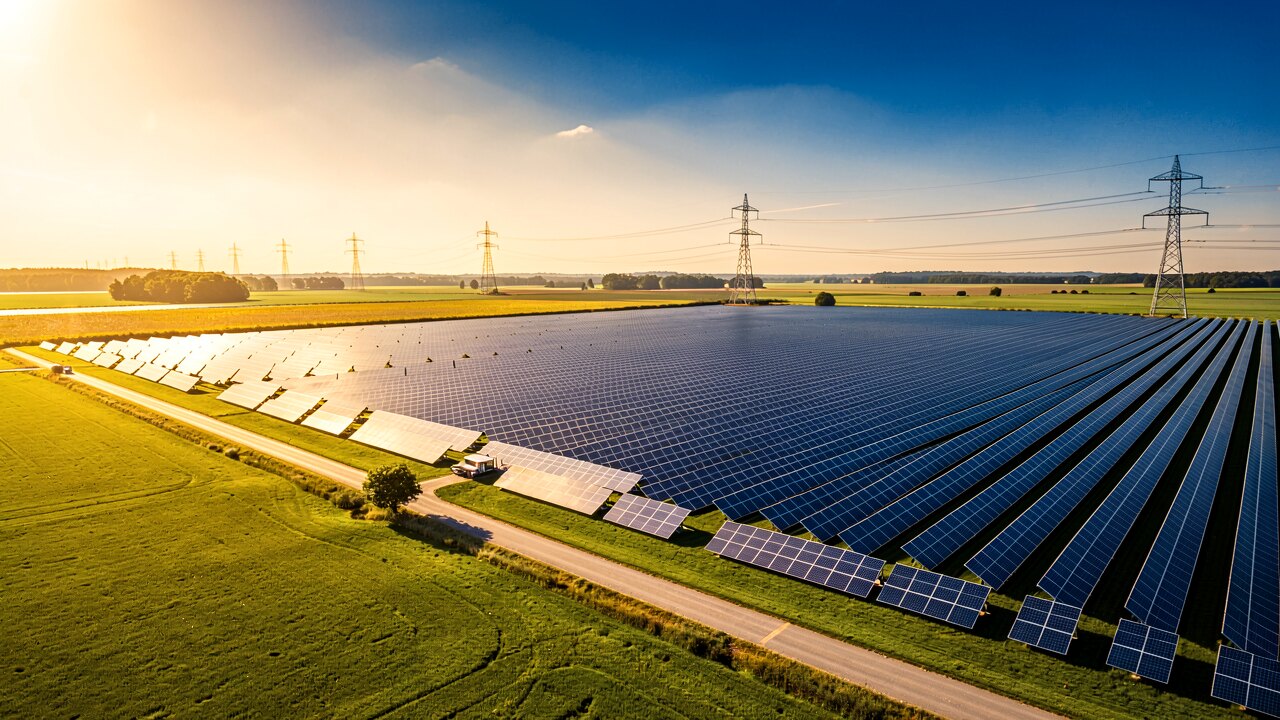
A cyclone-resilient system is one engineered to your site's wind region so panels, mounts and battery survive design wind speeds, plus backup that keeps critical loads running when the grid drops. In cyclonic northern Australia and the Pacific this means certified structural design first, hardware and rebates second.
Three things: (1) mounting and roof/ground fixings engineered to the wind loads in AS/NZS 1170.2 for your region, (2) modules, clamps and rails rated for the resulting uplift and debris impact, and (3) a battery and inverter that can island and power essential circuits when the network fails. Standard clamp spacing sold for temperate cities is not enough in the tropics — the structural design is the resilience, not the brand of panel.
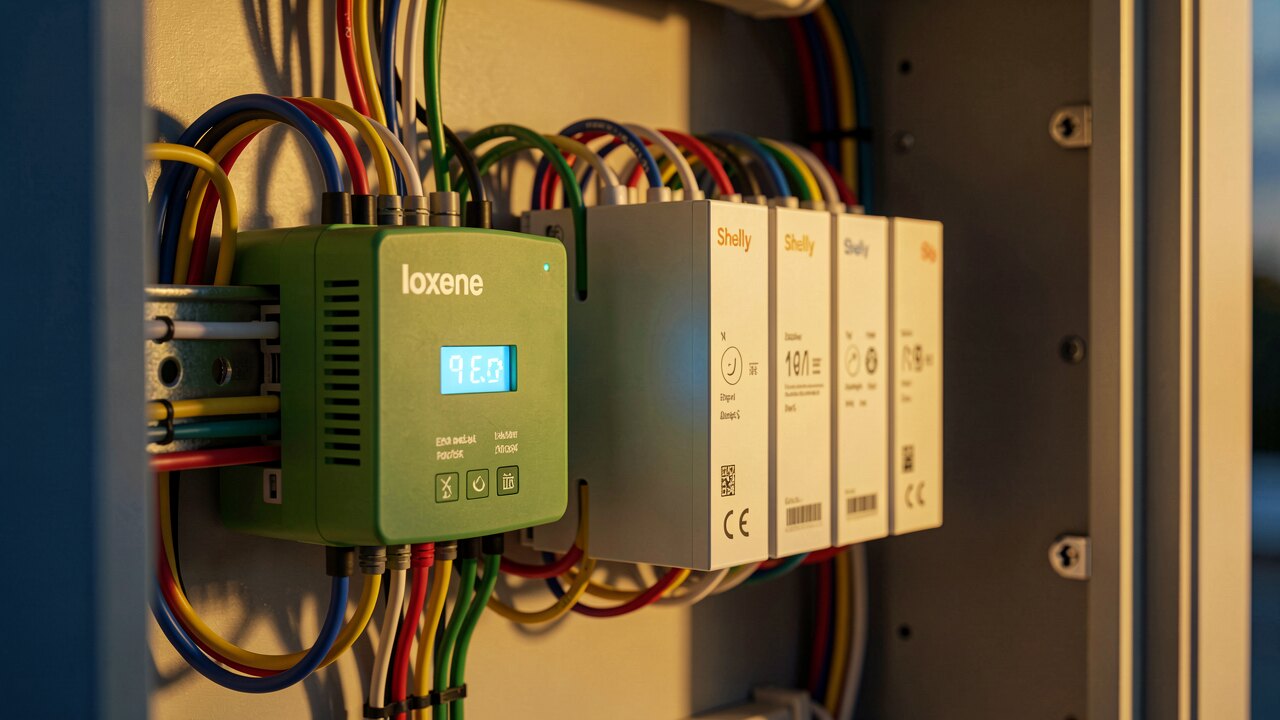
AS/NZS 1170.2 splits Australia into wind regions A, B, C and D. The cyclonic coasts — far north Queensland, the Top End, the Kimberley and Pilbara in WA — fall in Region C or the most severe Region D, with much higher design wind speeds than Region A cities like Sydney or Melbourne. Your installer must state your region and provide engineering (often a structural certificate) showing the array withstands it. Pacific island sites frequently sit in equivalent high-cyclone design bands, so the same principle applies even outside the AS/NZS map.
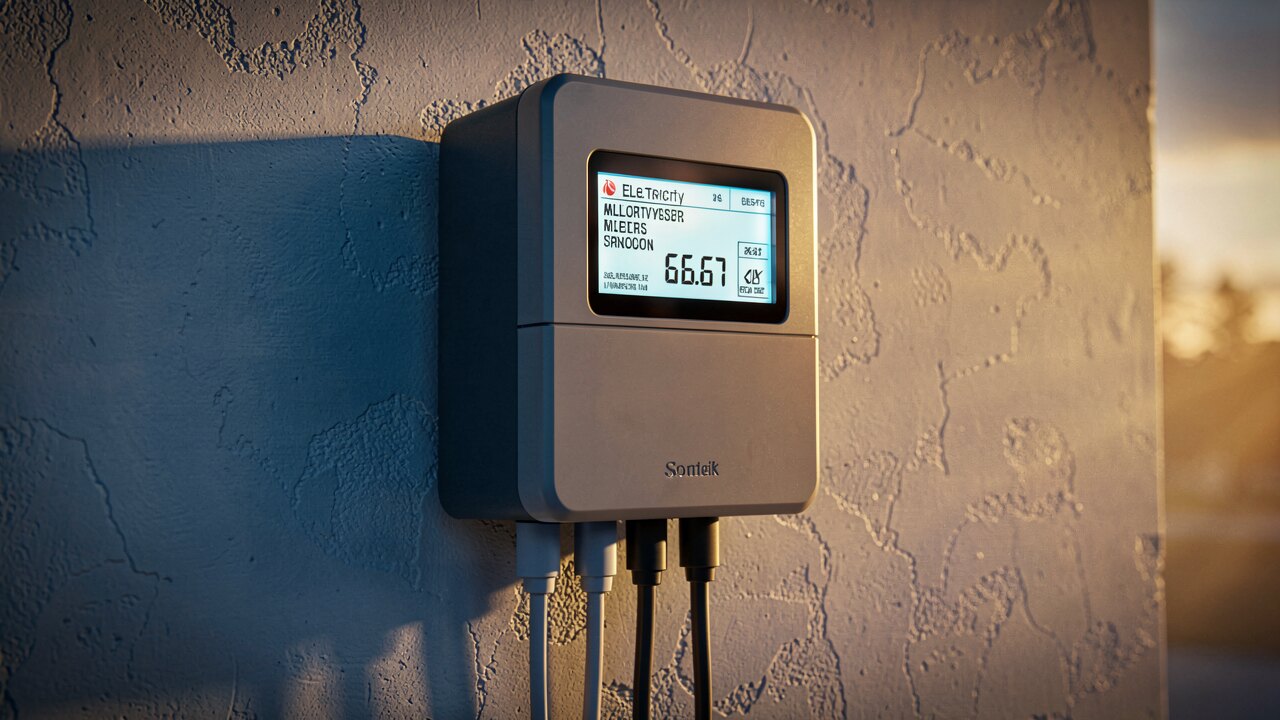
1) Confirm your wind region and importance level. 2) Require a mounting system with a manufacturer wind-certification report for that region — not a generic datasheet. 3) Check roof structure: rafters, battens and tie-downs must carry the uplift, so reinforcement is common on older sheds and homes. 4) Install PV to AS/NZS 5033 and use a Clean Energy Council (CEC) accredited installer so the work is compliant and rebate-eligible. 5) Mount the battery in a protected, well-drained location with an adequate IP-rated enclosure, above likely flood level.

Cyclones cause long outages, so resilience means more than survival — it means supply. Choose a hybrid or backup-capable inverter with a defined backup circuit (fridge, comms, medical, water pump) and confirm the battery can 'island' automatically. Size for realistic multi-day outages, not just daily self-consumption, and keep the battery and inverter out of storm-surge and roof-leak paths. In remote and island settings, solar-plus-storage microgrids let a community ride through days without diesel resupply.
Australia's federal battery incentive (delivered through the Small-scale Renewable Energy Scheme, effective from mid-2025) cuts the upfront cost of installing a home or small-business battery, and rooftop PV continues to earn small-scale technology certificates (STCs) — both require CEC-accredited installation. Several states and territories run additional battery or resilience schemes; amounts and eligibility change, so confirm current figures with your state energy body before quoting. In Pacific nations, donor- and government-funded resilient-energy and microgrid programs (e.g. post-cyclone rebuild funding) are the more common route rather than household rebates.
Roof-mount is cheapest but loads the building, so tie-downs and roof condition are decisive in Region C/D. Ground-mount can be engineered with deep piles or heavy ballast and keeps the array off vulnerable roofs — often preferred for farms and remote sites. For islands and off-grid communities, a resilient microgrid (PV + battery + smart controls, sometimes with a backup generator) is the benchmark: it restores local power fast after a cyclone without waiting for the main network to be rebuilt.
 Charge Director
 Automixer
 BESS Engineer
 PV Watcher