Heat Pump & HVAC Energy Monitoring in Australia and Oceania

Heat pump and HVAC energy monitoring means measuring the electricity your reverse-cycle air conditioner or heat pump draws and comparing it to the heating or cooling it delivers. This page explains exactly what to measure, how to set it up in an Australian or Oceanian home or facility, and how monitoring links to local tariffs and rebates.
Monitor three things: (1) electrical input in kWh from the heat pump/HVAC circuit, (2) the heat or cooling delivered, and (3) the resulting efficiency, expressed as COP (Coefficient of Performance) for heating or EER for cooling. A reverse-cycle unit that consumes 1 kWh and delivers 3–4 kWh of heat is running at COP 3–4. Track kWh per day, runtime hours, and outdoor temperature so you can see how efficiency drops on very cold mornings or very hot afternoons. That comparison — energy in versus effect out — is the whole point of monitoring.
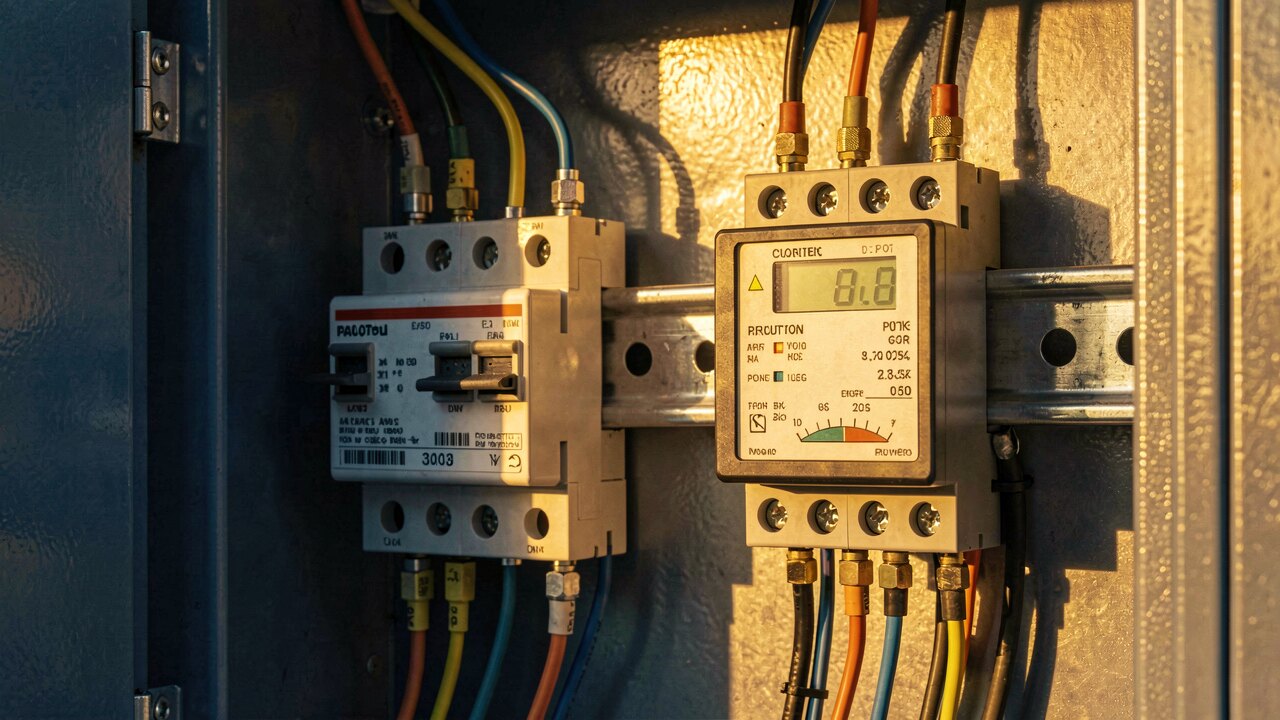
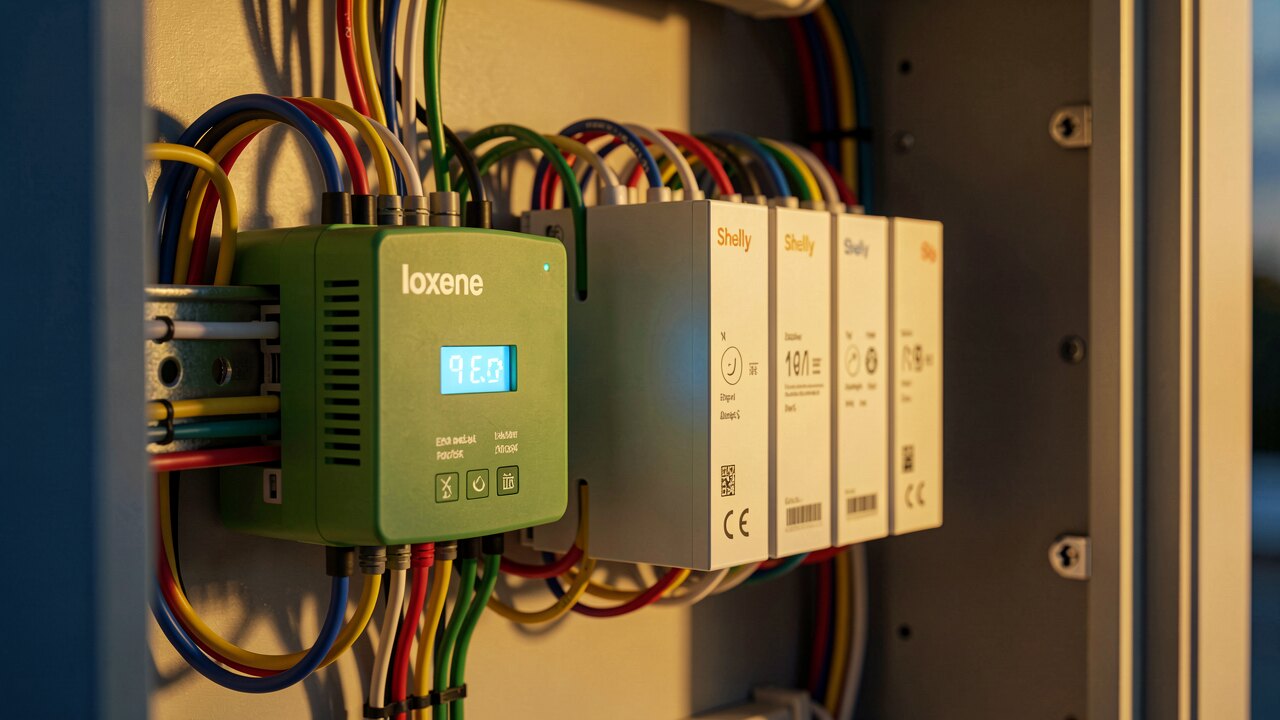
Fit a dedicated circuit meter (a clamp CT sensor or a Modbus/pulse-output submeter) on the heat pump or HVAC breaker in the switchboard, then log the readings continuously. Where a smart meter is installed — common in Victoria and rolling out across other NEM states and New Zealand — you can also read interval data, but a dedicated submeter isolates the HVAC load from the rest of the house. For heat output, add a flow-and-temperature heat meter on hydronic or hot-water heat pumps. Feed all sensors into one dashboard so the data is time-stamped and comparable, rather than relying on the unit's own display.

Much of Australia and New Zealand uses time-of-use or controlled-load tariffs, so when your heat pump runs matters as much as how much it draws. Monitoring lets you shift heating or hot-water cycles into cheaper off-peak windows (and, if you have rooftop solar, into the midday solar surplus that is now very large across the NEM). It also flags a failing unit early: a steadily rising kWh-per-degree trend usually means a dirty filter, low refrigerant, or a fouled coil — caught before the bill spikes.
Efficient heat pumps are widely incentivised in the region. In Australia, heat pump hot-water and space-heating upgrades can attract Small-scale Technology Certificates (STCs) under the federal Small-scale Renewable Energy Scheme, plus state programs such as the Victorian Energy Upgrades (VEU) scheme, the NSW Energy Savings Scheme (ESS) and Solar Victoria rebates. In New Zealand, EECA's Warmer Kiwi Homes has supported efficient heating. Check the current rules directly with each scheme, as amounts and eligibility change; monitoring data helps document the before-and-after savings these programs often want to see.
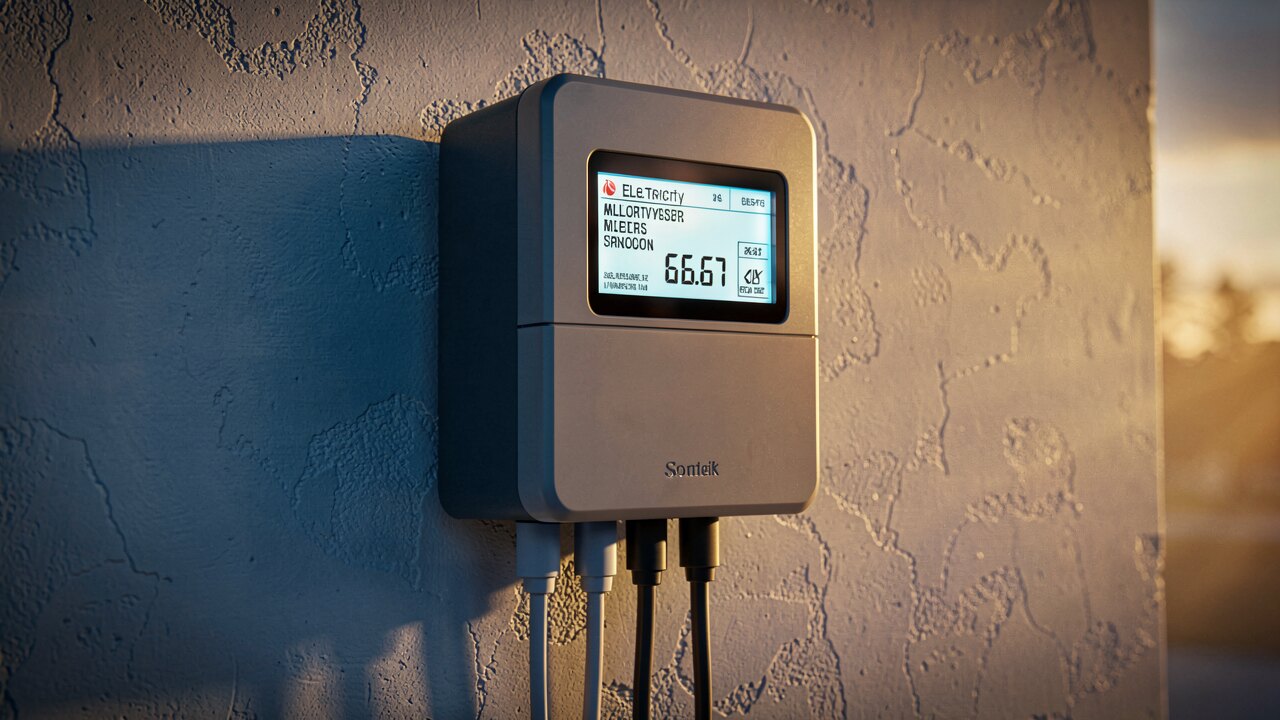
Australian air conditioners carry the Zoned Energy Rating Label (ZERL), which shows rated capacity and efficiency for hot, average and cold climate zones. That is a lab figure. Monitoring shows your actual seasonal performance in your building — often lower than the label once real thermostat settings, defrost cycles and part-load operation are included. Comparing measured COP against the label is the fastest way to tell whether a unit is genuinely underperforming or simply being run in tough conditions.
Good monitoring turns raw kWh into decisions: set-point tuning, scheduling around tariffs and solar, filter and service intervals, and evidence for rebate claims. Clear dashboards and periodic reports let a homeowner, facility manager or installer see the status of each heat pump at a glance and act on early warning signs before efficiency or comfort is lost.
 Charge Director
 Automixer
 BESS Engineer
 PV Watcher