Commercial Battery Storage Arbitrage in Australia and Oceania: How It Works
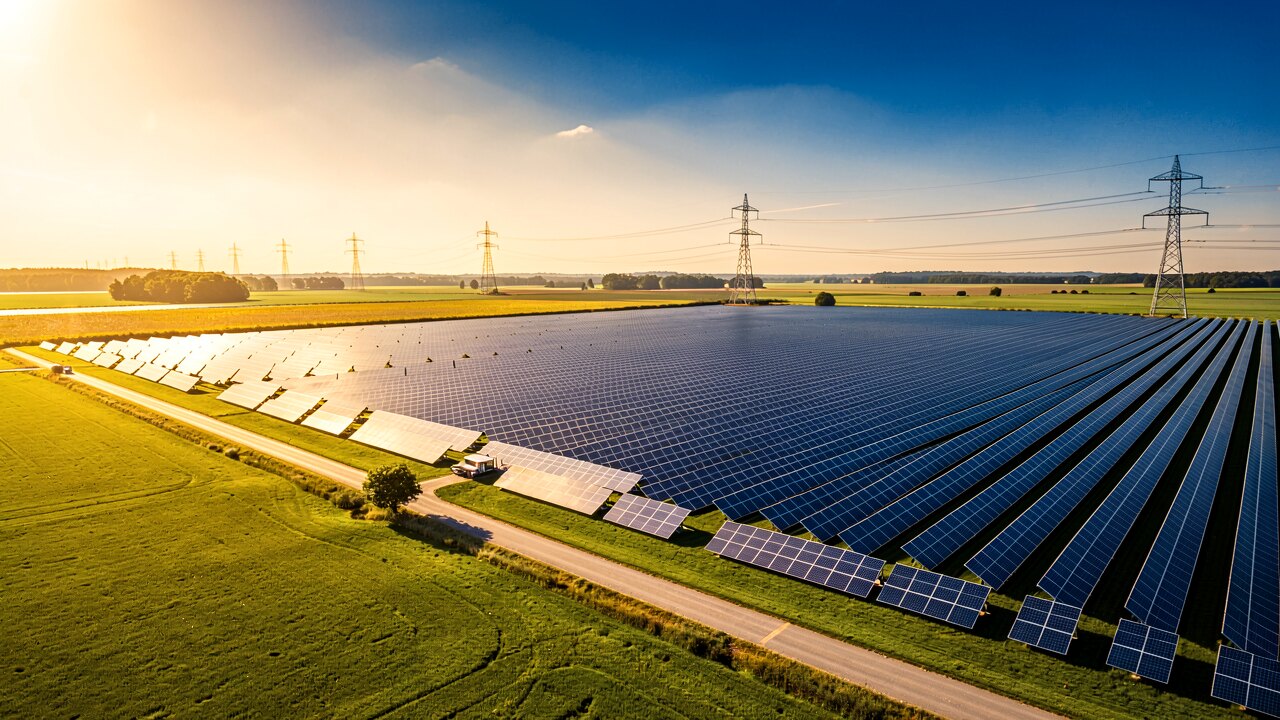
Arbitrage means charging a battery when wholesale electricity is cheap and discharging when it is expensive, capturing the daily price spread. In Australia's National Electricity Market (NEM) and the wider Oceania region, a commercial battery rarely lives on arbitrage alone — it stacks that spread with frequency-control and capacity revenues, which is what usually makes the business case work.
You buy energy on the wholesale spot market during low-price periods — typically the solar-flooded middle of the day, when NEM prices often fall to zero or turn negative — and sell it back during the evening demand peak. The NEM settles every five minutes (since October 2021), so a battery must optimise its charge/discharge schedule against a fast-moving price curve. Round-trip efficiency losses (roughly 10–15% for lithium-ion) and cycling-related degradation are the two costs that eat into the gross spread, so the peak-to-trough price gap has to be wide enough to cover them.
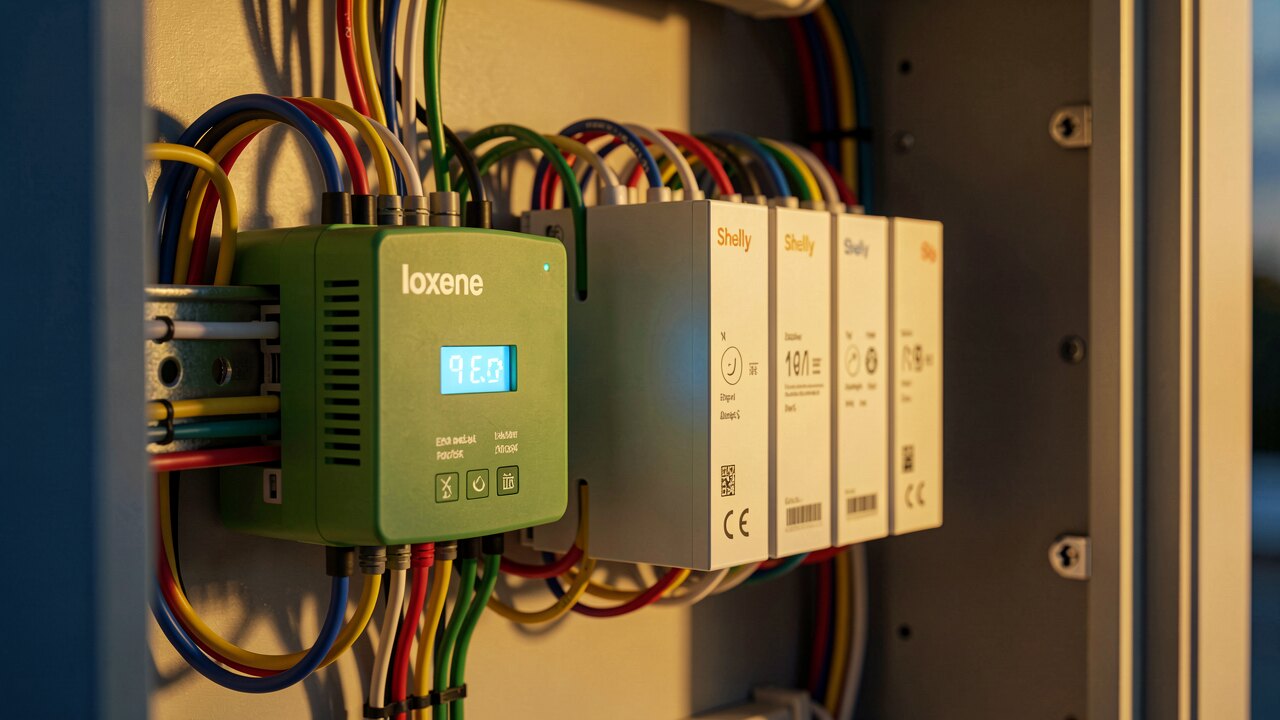
In Australia the dominant battery income has historically come from Frequency Control Ancillary Services (FCAS), not energy arbitrage. AEMO runs contingency and regulation FCAS markets, and added very-fast (sub-second) frequency response markets in October 2023 — services batteries are physically ideal for. A commercial battery therefore co-earns: it captures the day-ahead/dispatch spread while holding capacity in FCAS, and can layer network or capacity-scheme payments on top. This 'value stacking' is the core of the Australian storage business model.
Australia has the world's highest rooftop-solar penetration per capita, and states like South Australia routinely see midday wholesale prices at or below zero as solar floods the grid, then sharp evening peaks after sunset. That widening gap between cheap daytime and expensive evening energy is exactly what an arbitrage battery monetises. The effect is strongest in SA, Victoria and Queensland and is growing as more solar connects across the NEM.
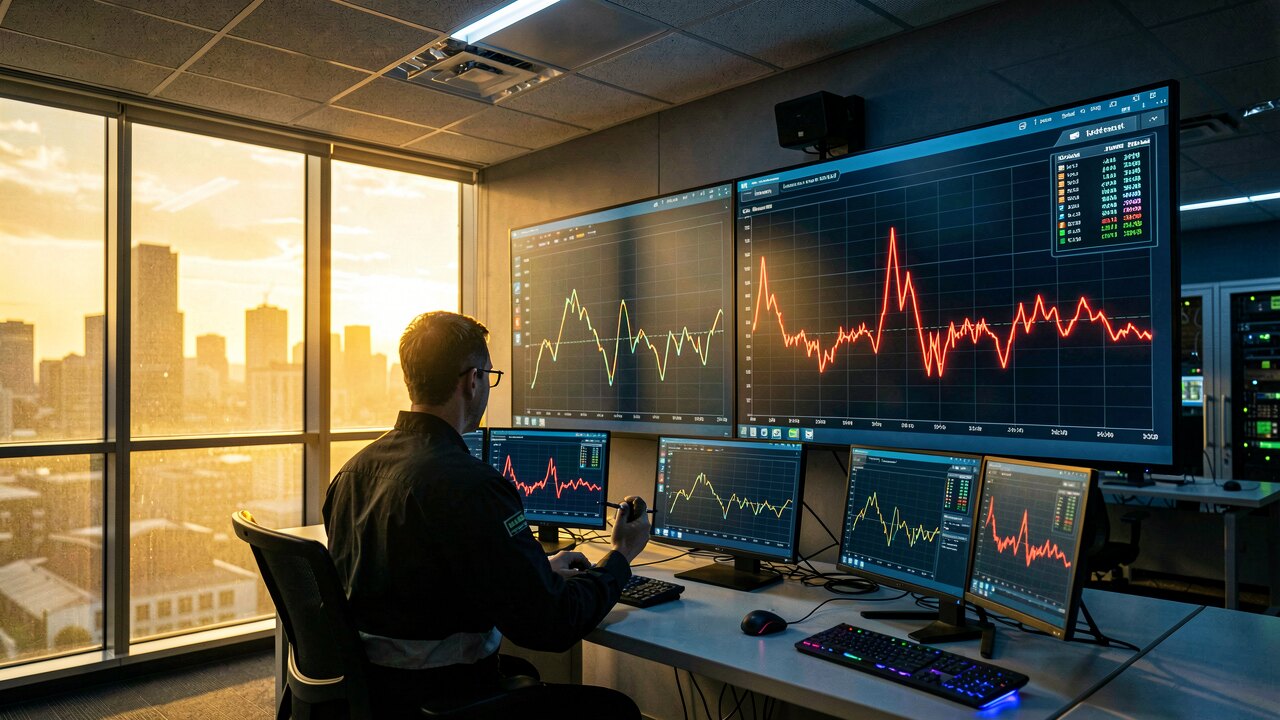
AEMO operates the NEM (Queensland, NSW, Victoria, SA, Tasmania) and the separate Wholesale Electricity Market in Western Australia; the market price cap that defines the upside of a price spike is reset annually by the AER and sits in the order of several thousand dollars per MWh. The federal Capacity Investment Scheme (CIS) underwrites new dispatchable capacity — including storage — through competitive tenders, targeting a large fleet of firmed renewables and storage this decade (a government programme, still being rolled out via staged auctions). States add their own long-duration storage tenders and roadmaps (e.g. NSW's Electricity Infrastructure Roadmap). In New Zealand, Transpower runs the grid and a wholesale spot market where grid-scale batteries are an emerging, smaller segment; Pacific island systems are mostly small and solar-plus-storage focused rather than arbitrage-driven.
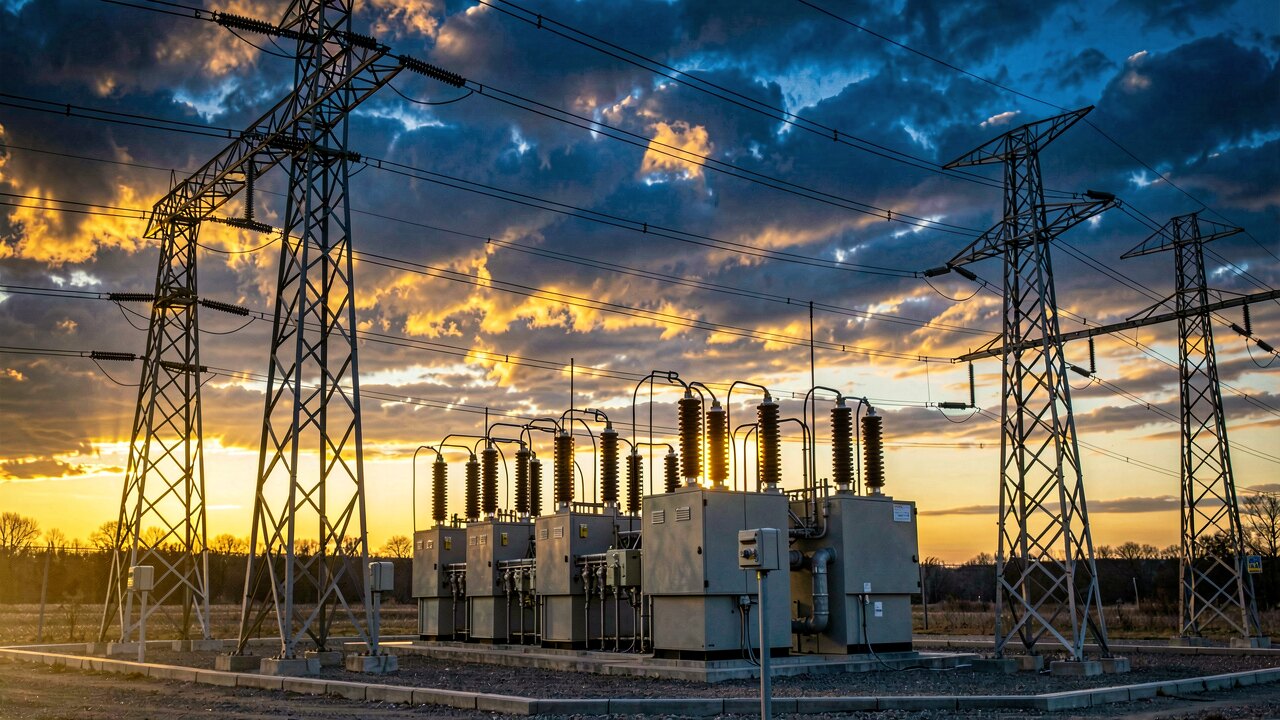
Reference projects — Neoen's Hornsdale Power Reserve in South Australia (Tesla, from 2017) and the Victorian Big Battery (from 2021) — proved that fast-responding, large-scale batteries can earn across multiple markets at once. For a commercial project the key levers are: sizing power (MW) and duration (MWh) to the local price shape, an optimiser that co-schedules energy and FCAS in five-minute dispatch, realistic assumptions on efficiency and degradation, and — increasingly — a CIS or state contract to de-risk revenue. Stromfee's arbitrage optimisation dispatches around the live wholesale price curve to capture the spread while co-earning in balancing/frequency markets.
1) Pull the historical wholesale price curve for your NEM region (or WEM/NZ) and measure the typical daily peak-to-trough spread. 2) Check FCAS and any capacity/network payment opportunities available to your connection point. 3) Size power and duration to the shape of the spread rather than to a headline MWh number. 4) Model round-trip efficiency and cycling cost against realistic spreads — not best-case spikes. 5) Check eligibility for CIS or state storage tenders, which can turn a marginal case into a bankable one.
 Charge Director
 Automixer
 BESS Engineer
 PV Watcher