Cogeneration Plant Maintenance and Uptime Monitoring in Australia and Oceania

Cogeneration (CHP) plants are serviced on an operating-hour basis and monitored continuously to protect availability. Below you get the concrete maintenance rhythm and the monitoring setup that keeps a plant in Australia or Oceania running.
CHP maintenance is scheduled by engine operating hours, not by calendar. A typical gas-engine plan is: daily/remote checks, a minor service roughly every 1,000–2,000 hours (oil, filters, spark plugs, sample analysis), a top-end/partial overhaul in the tens-of-thousands-of-hours range, and a major overhaul later in engine life. Always follow the OEM's exact hour intervals (Jenbacher, MWM, MAN, Caterpillar, MTU) for your specific engine — the numbers above are typical ranges, not fixed rules.
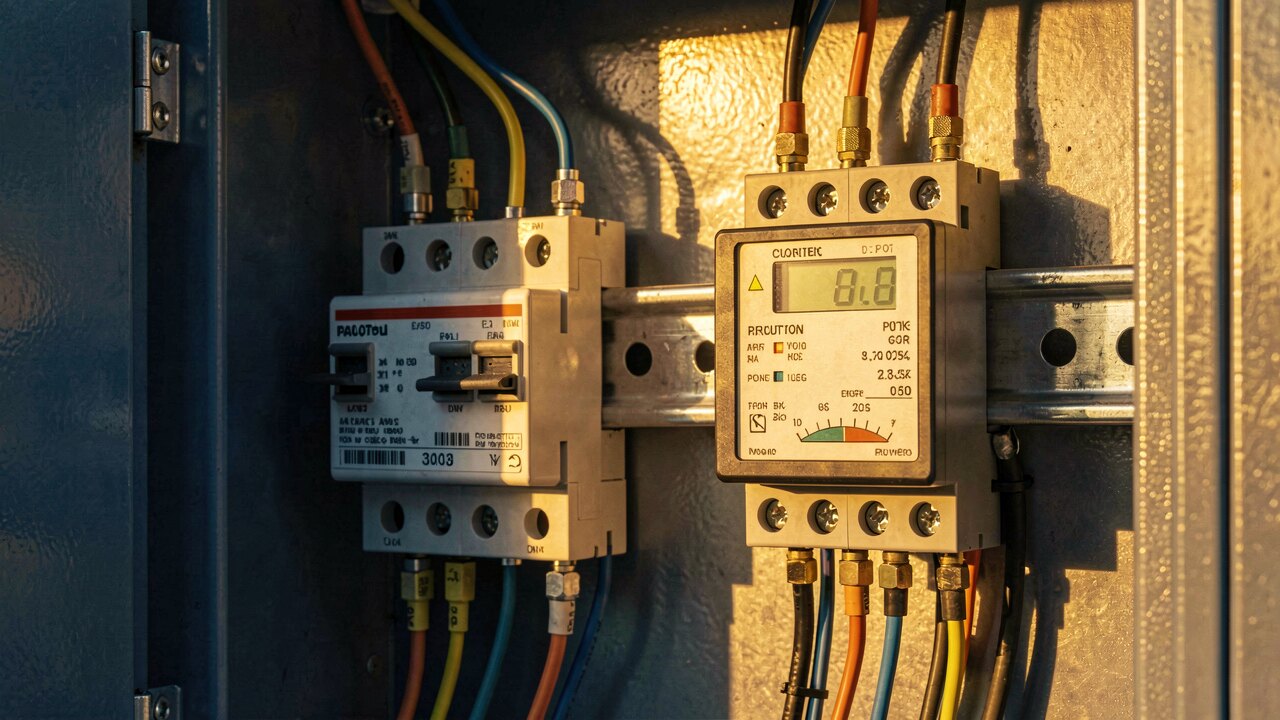
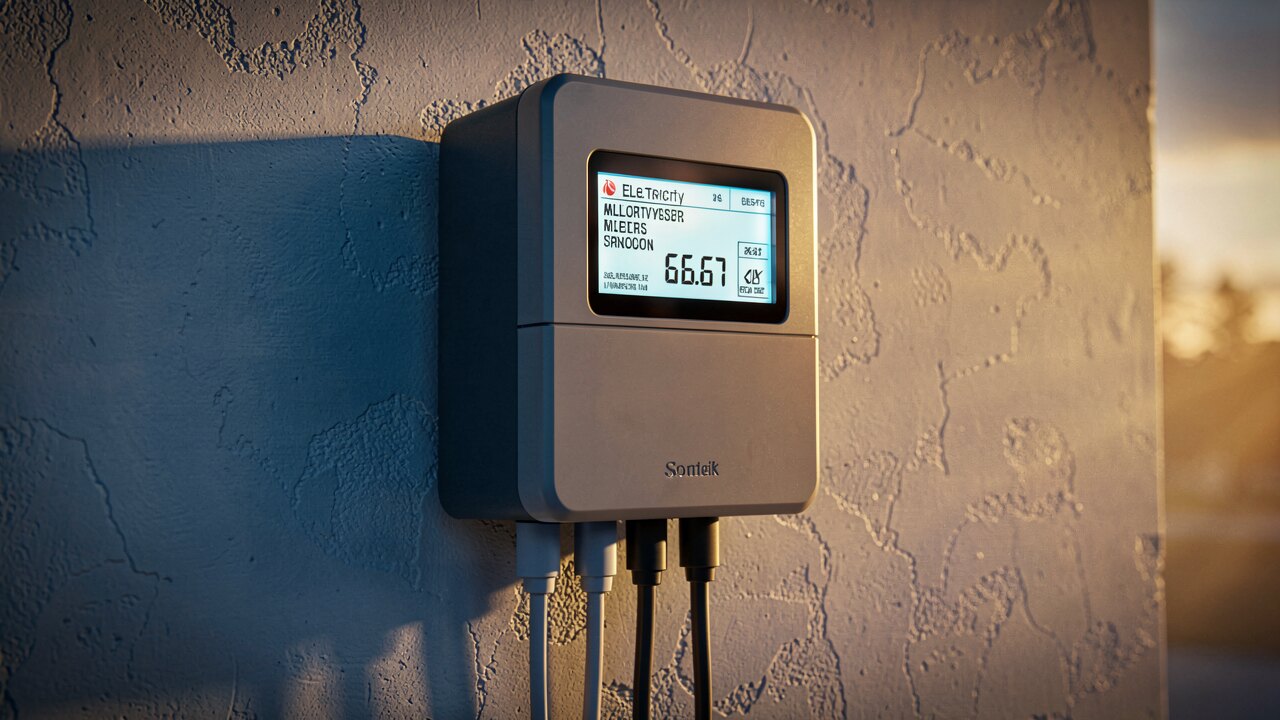
Uptime is tracked as availability = running hours ÷ available hours, usually via the plant SCADA/PLC feeding a remote monitoring portal. You watch a handful of live signals: engine load, jacket-water and exhaust temperatures, oil pressure, lube-oil hours since last change, knock/misfire counts and fault codes. Alarms trigger a callout before a trip. Well-maintained CHP units commonly target availability in the low-to-mid 90 percent range; anything trending down flags a developing fault.

Servicing is done through OEM regional networks and their authorised distributors (e.g. INNIO/Jenbacher, Caterpillar/Energy Power Systems Australia, MWM, MTU/Penske) plus independent gas-engine specialists. For remote sites in Australia, the Pacific and New Zealand, confirm parts lead-times and technician travel up front — spare-parts logistics, not the repair itself, is often the biggest driver of downtime.
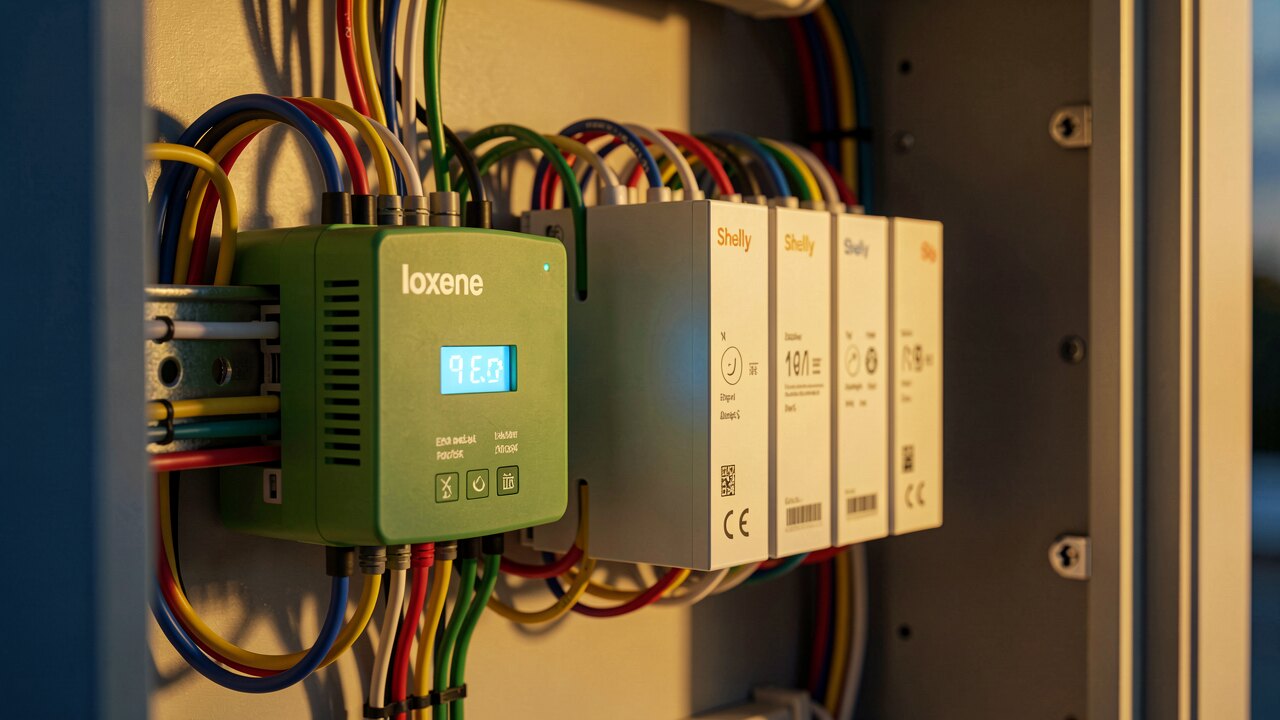
On the National Electricity Market, dispatch and metering interface with AEMO, so keep availability data and outage windows aligned with your market and network obligations. Fuel matters for the service interval: landfill gas, biogas and coal-seam gas carry contaminants (siloxanes, H₂S) that shorten oil life and lubricant/spark-plug intervals versus clean natural gas — sample oil and gas regularly and adjust the plan to measured results.
Where a project improves efficiency or emissions, national bodies such as ARENA (grants) and the Clean Energy Finance Corporation (finance) have historically supported cogeneration, bioenergy and waste-to-energy work, alongside state programs. Availability of any specific grant changes over time, so check the current ARENA/CEFC program list before you budget — treat funding as case-by-case, not guaranteed.
1) Log engine operating hours daily and map every OEM interval against them. 2) Put SCADA data into a remote portal with alarms on temperature, oil pressure and knock. 3) Track availability as a monthly KPI and investigate any sustained drop. 4) Sample lube oil and fuel gas on a fixed schedule. 5) Pre-order long-lead spares for remote sites. 6) Book overhauls in advance around your OEM's hour thresholds.
 Charge Director
 Automixer
 BESS Engineer
 PV Watcher